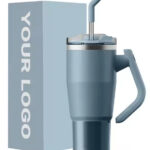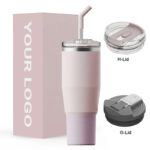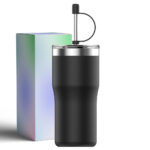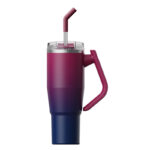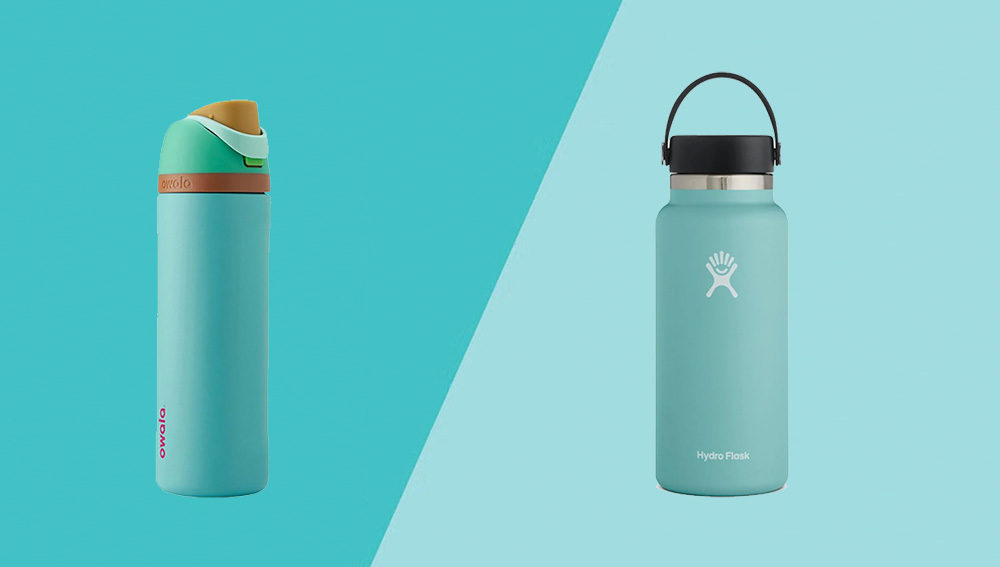

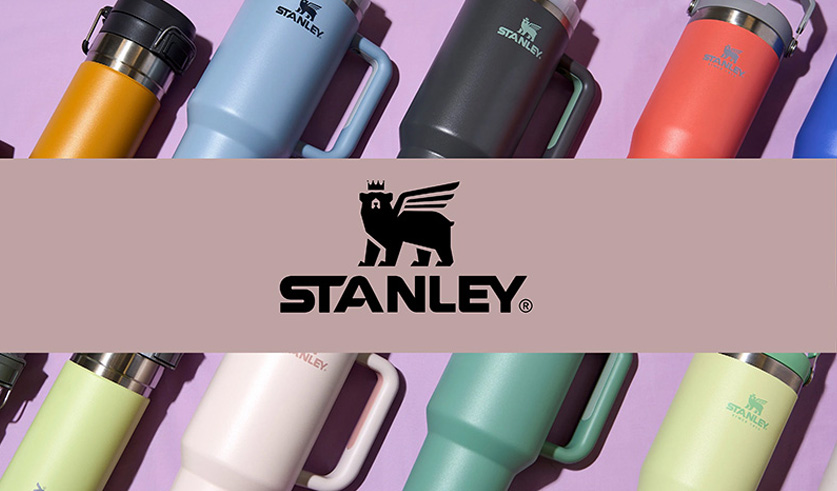
Stanley, a brand with over a century of heritage, is now under the ownership of Pacific Market International (PMI), a global leader in outdoor and lifestyle products. Since PMI acquired Stanley in 2010, the brand has evolved from its rugged, outdoor roots to a widely recognized name in everyday high-performance Stanley cups. Stanley’s core offerings, especially their large-capacity tumblers, have become favorites among those who appreciate both practicality and style. Designed with sturdy handles and advanced insulation technology, these Stanley cup keeps beverages hot or cold for hours, making them perfect for outdoor adventures as well as daily routines.
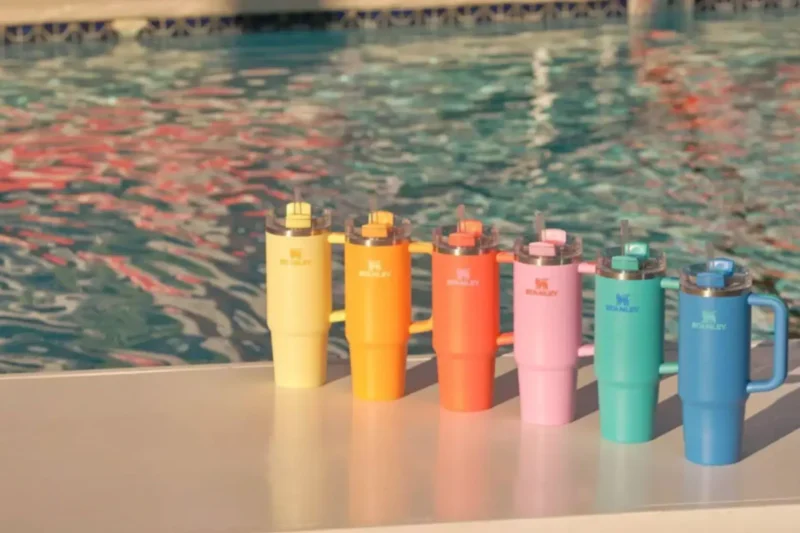
Stanley’s large-capacity tumblers stand out for combining innovative design with practical usability. Ranging from 20oz to over 40oz, they cater to active individuals who need reliable hydration throughout the day. Thanks to double-wall vacuum insulation, beverages maintain their ideal temperature—coffee stays hot in the morning, water stays cold during workouts. Ergonomic handles make carrying effortless, while BPA-free and recyclable materials highlight the brand’s commitment to sustainability. Clever marketing has expanded Stanley’s appeal to a broad audience, offering products that integrate seamlessly into both outdoor activities and everyday life, all while staying true to their principles of durability, function, and environmental responsibility.
Why Stanley Cups Are So Popular
Stanley cups are made from premium 18/8 food-grade stainless steel, providing exceptional durability and full recyclability—making them a sustainable everyday choice. Their double-wall vacuum insulation keeps drinks hot or cold for hours, while surfaces remain BPA-free. Importantly, any lead used in the insulation process is fully encapsulated, ensuring no contact with your drink. Beyond their sturdy construction and leak-resistant design, Stanley cups are dishwasher safe and built to endure outdoor adventures, reflecting both high performance and eco-conscious design.
Who Manufactures Stanley Cups
Stanley has never publicly disclosed its manufacturing partners, but it is widely rumored that Stanley water bottles are produced in established production bases in both China and Brazil. This raises the question: who truly possesses the capability to manufacture such iconic Stanley water bottles? When examining the Chinese water bottle manufacturing cluster, one discovers that regions like Zhejiang and Guangdong have long been recognized for their advanced production facilities and skilled craftsmanship in insulated drinkware. These Chinese manufacturing hubs boast state-of-the-art machinery and a deep heritage in producing high-quality, durable products, which perfectly aligns with Stanley’s reputation for excellence. The expertise found within the Stanley production network in China enables manufacturers to implement innovative vacuum insulation technologies and environmentally friendly processes, ensuring that every Stanley water bottle meets rigorous quality and safety standards. Similarly, production facilities in Brazil contribute to Stanley’s global supply chain by complementing the capacity and efficiency of their Chinese counterparts. Thus, even though Stanley does not officially reveal its manufacturers, the well-established water bottle manufacturing clusters in China—renowned for their technical innovation and high-volume production capabilities—play a crucial role in delivering the timeless performance and legendary durability that Stanley is celebrated for.
How to Source Stanley-Equivalent Manufacturers
Finding suppliers capable of producing Stanley-comparable products requires a structured approach. Here are common strategies:
Common methods to sourcing water bottle manufacturers:
Here are three common methods buyers use when sourcing water bottle manufacturers, although experienced buyers may use additional premium strategies.
Online B2B Platforms
Websites like Alibaba, ThomasNet, and SaleHoo list manufacturers specializing in drinkware. These platforms allow filtering by specifications, certifications, and production capacities, making it easier to find suitable partners.
Attend Trade Shows
Industry trade shows provide face-to-face opportunities to evaluate suppliers, inspect products, and establish relationships. With numerous manufacturers gathered in one location, buyers can perform comprehensive assessments and network effectively.
Search Engines
Simple searches on Google using terms like “water bottle manufacturer” or “tumbler manufacturer” can reveal a mix of established suppliers. First-page results often indicate companies with experience. Searching phrases like “who manufactures Stanley water bottles” or “where are Stanley bottles made” can hint at production locations, though exact manufacturers remain confidential due to agreements.
You might also be curious about who makes products for big brands. Searching for things like “who manufactures Stanley water bottles” or “where are Stanley bottles produced” can give you some hints about the countries involved in production. However, pinpointing the exact manufacturers can be tricky. Brands often have confidentiality agreements with their producers, so this specific info isn’t usually available to the public.
Premium Sourcing Approach
China leads the world in manufacturing, with stainless steel insulated water bottle production concentrated in specialized clusters. Among them, Zhejiang Province—especially the city of Yongkang—stands out as the largest and most advanced center.
Stainless Steel Water Bottle Clusters in China
Zhejiang Province, particularly Yongkang, has become the premier hub for stainless steel insulated water bottle production in China. Yongkang’s manufacturing ecosystem is recognized for cutting-edge machinery, a highly skilled workforce, and an integrated supply chain covering everything from raw material sourcing to final finishing. Its long-standing tradition in metalworking and advanced insulation technology supports massive production capacity and continuous innovation, making it the industry’s largest and most influential base.
Other regions, such as Guangdong and eastern Jiangsu, also contribute to China’s manufacturing landscape, though on a somewhat smaller scale. Guangdong benefits from proximity to major international ports and a dynamic industrial environment, while eastern Jiangsu leverages its history in metal processing and precision engineering. While both regions are important to overall output, the scale and infrastructure of Yongkang set the benchmark for stainless steel insulated bottle production, reinforcing China’s global leadership.
For those seeking experienced water bottle manufacturers, Zhejiang Province should be the top focus when exploring company profiles on Alibaba or other B2B platforms. Yongkang, in particular, is known for its extensive production capabilities in drinkware. Many suppliers from Zhejiang maintain a strong presence online, offering a wide selection of products and customization options.
Can We Produce Stanley-Equivalent Quality Cups?
Can we manufacture drinkware matching Stanley’s quality standards? Let’s break this down from three angles:
Manufacturing Techniques Matter
Stanley’s signature flat-bottom design relies on a specialized lead-free welding process using stainless steel balls. This method creates minimal indentation (tiny “dimples”) at the cup base, eliminating the need for unsightly cover-up patches. Most competitors using cheaper glass-bead lead-free welding end up with larger dimples, forcing them to add stainless steel stickers to hide imperfections. We stand out as one of the few Chinese manufacturers mastering Stanley’s steel-ball technique. For brands choosing between these methods: If aesthetics and seamless design are priorities, the steel-ball approach is worth the investment. If cost matters more, traditional glass-bead welding remains an option.
Comparable Performance, Different Designs
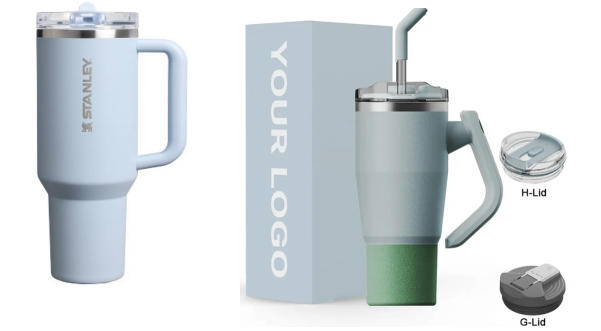
Stanley’s reputation for durability comes from features like double-wall vacuum insulation, BPA-free materials, recyclable stainless steel, and removable spouts. we provide tumblers with functionally equivalent specs – for example, their ProTumbler 360° (imagine a sleek, matte-finished cup with leak-proof lid) and VacuumGuard Series (picture a heavy-duty model with ergonomic grip). These products match Stanley’s thermal performance and safety standards but avoid direct design replication. Think of them as “Stanley alternatives” rather than “copies.”
Why Stanley “Identical” Copies Aren’t Possible
Stanley holds multiple design patents covering everything from cup silhouettes to handle shapes. So, there is no way for us to make Stanley replicas.
The takeaway? We can deliver equal or superior functional quality, but ethical manufacturing and legal compliance prevent direct duplication. For brands wanting Stanley-tier craftsmanship without infringing IP, we offers a legitimate pathway – just don’t expect a 1:1 copy.