
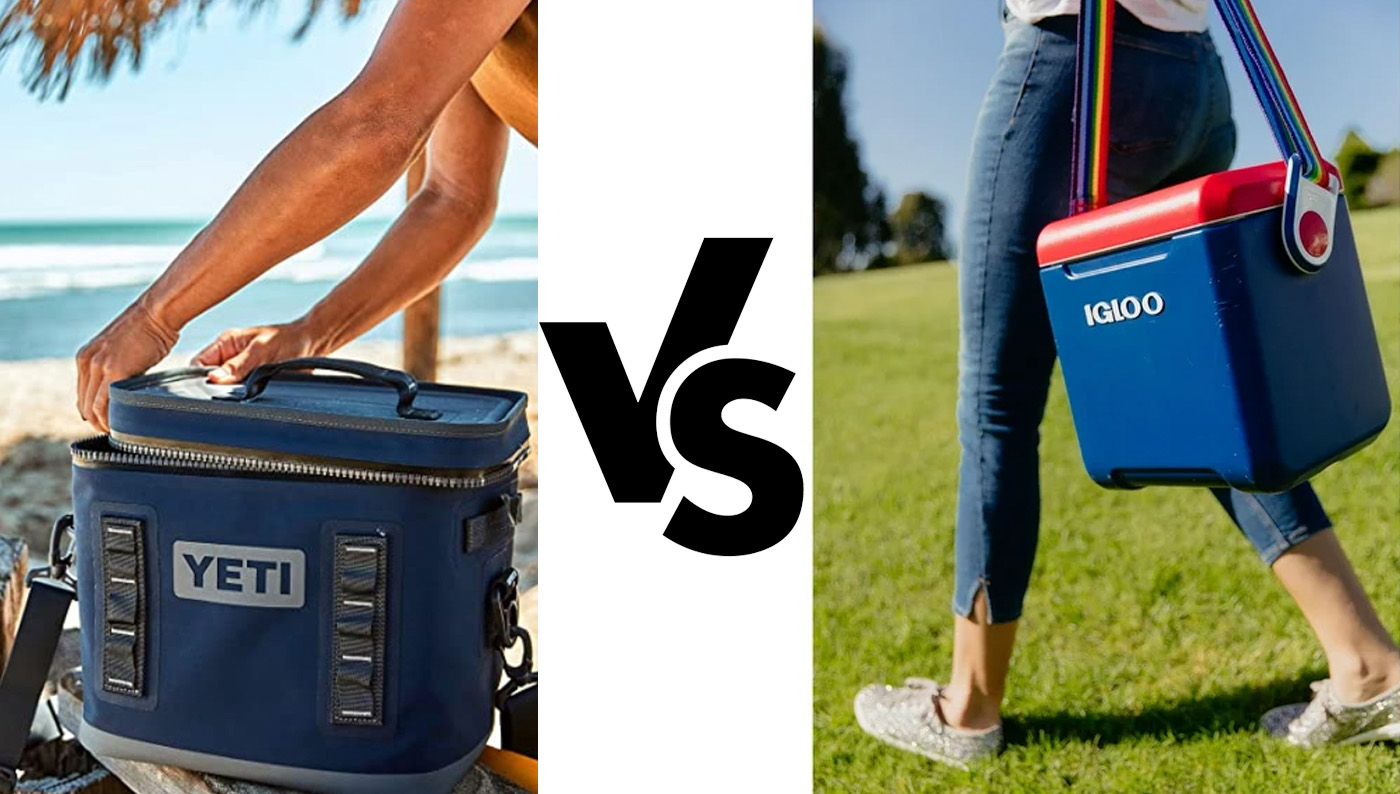
When it comes to premium coolers, two names dominate outdoor conversations: Yeti and Lgloo. Both brands boast loyal followings, with Lgloo reigning as America’s household staple since 1947 and Yeti emerging as the modern “cooler status symbol” for adventure seekers. Yet a glaring question persists: Why does a Yeti Tundra 65 retail for 375 while Lgloo’s similarly sized Ultra Cooler costs under 150? At first glance, they’re both rotomolded ice chests designed to keep drinks cold – but dig deeper, and a tale of engineering obsession, cult branding, and consumer psychology unfolds.
The price gap isn’t accidental. Yeti coolers typically cost three to four times more than comparable Lgloo models, sparking debates from campgrounds to boardrooms. Is this premium justified by groundbreaking innovation, or does the “Yeti tax” reflect masterful marketing? By dissecting materials, performance claims, and brand strategies, we uncover why outdoor enthusiasts willingly empty their wallets for that iconic frostbite-blue box – and what Lgloo’s pragmatic approach reveals about the true cost of cooler supremacy.
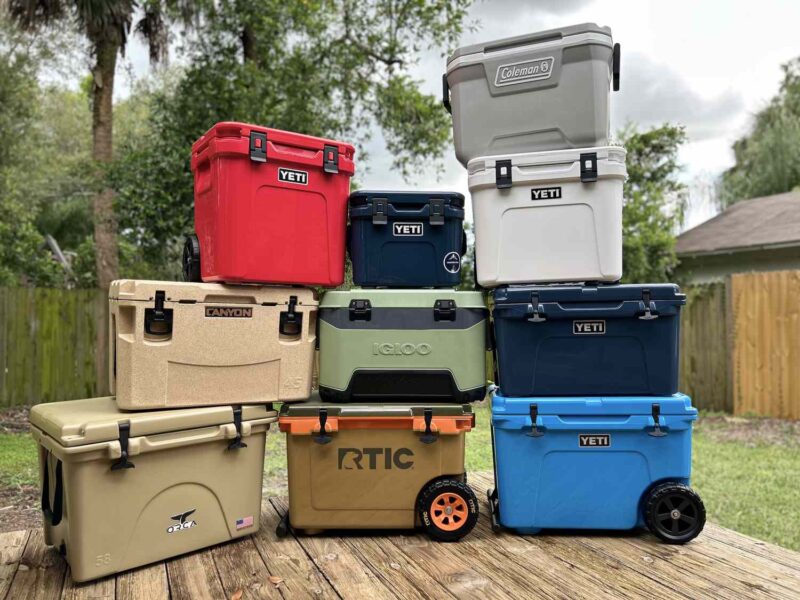
Yeti vs. Lgloo: A Tale of Two Brand Strategies
The outdoor cooler market is a battlefield of contrasting approaches, with Yeti and Lgloo standing out as polar opposites. While Yeti dominates the premium segment, Lgloo thrives as a budget-friendly staple. Their strategies reveal how brands can succeed by targeting entirely different audiences. Let’s break down their playbooks.
YETI’s Core Premium Strategy: Luxury, Durability, and Exclusivity
Luxury Cooler Brands & Premium Outdoor Gear
Yeti isn’t selling coolers—it’s selling a lifestyle. The brand positions itself as the “Tesla of coolers,” targeting outdoor enthusiasts who equate quality with status. By tagging itself under keywords like “luxury cooler brands” and “premium outdoor gear,” Yeti appeals to customers willing to pay top dollar for products that scream rugged sophistication.
Think fishermen, hunters, and campers who don’t just want a cooler but a *statement piece* that survives extreme adventures. Yeti’s coolers aren’t just functional; they’re badges of honor for those who see the outdoors as a premium experience.
Military-Grade Materials, Lifetime Warranty, and Community-Driven Hype
What justifies Yeti’s sky-high prices? Three pillars:
1. Military-grade materials: Yeti uses rotomolded construction and bear-resistant latches, framing its coolers as indestructible.
2. Lifetime warranty: This isn’t just a promise—it’s a confidence play. Buyers know they’re investing in a product that (theoretically) never dies.
3. Cult-like community marketing: Yeti fuels FOMO through social media campaigns, partnerships with influencers, and storytelling about “epic adventures.” Their “Coolers of the Wild” series, for example, showcases real users in jaw-dropping landscapes, turning customers into brand evangelists.
The Data Doesn’t Lie: 65% Gross Margin vs. 35% Industry Average
Yeti’s premium strategy isn’t just marketing fluff—it’s backed by hard numbers. With a gross margin of 65% (nearly double the industry average of 35%), Yeti proves that customers will pay a premium for perceived quality and brand cachet. This margin allows Yeti to reinvest in innovation, like their ultra-insulated Rambler drinkware, which further cements their luxury status.
Lgloo’s Value-for-Money Route: Accessibility Over Aspiration
Affordable Cooler Brands & Budget-Conscious Buyers
Lgloo takes the opposite approach. By optimizing for keywords like “affordable cooler brands” and “value-for-money coolers,” they cater to everyday users: backyard BBQ hosts, weekend picnickers, or parents packing lunches. Lgloo’s coolers aren’t built for Mount Everest—they’re built for practicality. Prices start under $50, making them accessible to Walmart shoppers and first-time buyers. While Yeti sells exclusivity, Lgloo sells convenience.
Mass-Market Positioning and No-Frills Functionality
Lgloo’s success lies in knowing its audience. Key strategies include:
– Mass-market distribution: You’ll find Lgloo coolers everywhere—gas stations, grocery stores, and online marketplaces. They’re the “default” choice for casual users.
– Focus on basics: Instead of military-grade specs, Lgloo prioritizes lightweight designs, easy-carry handles, and adequate ice retention. Their products do what’s needed—nothing more, nothing less.
– Strategic partnerships: Collaborations with Disney or the NFL let Lgloo tap into pop culture, offering themed coolers that families love.
Yeti and Lgloo thrive because they avoid competing directly. Yeti’s premium pricing and rugged branding attract hardcore adventurers and status seekers, while Lgloo’s affordability wins over pragmatic buyers. Yeti’s 65% margins fund innovation and marketing, whereas Igllo’s volume-driven sales keep factories humming.
In the end, it’s not about which strategy is better—it’s about knowing your audience. Yeti sells dreams; Lgloo sells convenience. And in a diverse market, there’s room for both.
Why Yeti cost more than Lgloo?
Alright, let’s break down why Yeti cooler costs more than your grandpa’s trusty Lgloo. It ain’t just the name, there’s a whole heap of factors at play. We’re gonna dive into the materials, the insulation, the fancy extras, and even how they get the word out.
Built to Last vs. Built to Sell (in Bulk)
Yeti’s known for its rotational molding (rotomolding). Imagine spinning a mold filled with plastic in a giant oven. This process creates a single, seamless piece of plastic. This makes the cooler incredibly strong and durable, practically bear-proof (literally, in some cases!). But, rotomolding is a slower, more labor-intensive process, driving up the manufacturing cost. Think of it like hand-crafting a masterpiece, it takes time and skill. The cost analysis would show higher material costs (using thicker, higher-quality plastic) and significantly higher labor and equipment overhead.
Lgloo, on the other hand, typically uses blow molding. Think of blowing up a balloon, but with hot plastic. This is a much faster and cheaper process, allowing them to churn out coolers by the thousands. The plastic is usually thinner, and the construction isn’t as robust as rotomolded coolers. It’s like mass-producing something – you can make a lot quickly and cheaply, but the quality might not be the same. Lgloo thrives on economies of scale. They produce so many coolers that they can spread their fixed costs (like factory equipment) over a larger number of units, resulting in a lower cost per cooler.
Keeping Cool, and Keeping it Pricey
The Ice Retention King (and the Price Reflects It): Yeti coolers are renowned for their superior insulation. They often use thicker walls and more insulation material compared to Lgloo. This translates to longer ice retention times, which is a big selling point. Independent tests consistently show Yeti outperforming Lgloo in ice retention. But, more insulation means more materials and a more complex manufacturing process, adding to the cost. Also, the quality of the seals matters. Yeti likely uses higher-quality, tighter-fitting seals around the lid, minimizing air leakage and maximizing ice retention. These better seals cost more.
Lgloo is good enough for a Day at the Beach (and Your Wallet): Lgloo coolers generally offer decent insulation for everyday use, like picnics or short camping trips. They’re not designed to keep ice frozen for days on end like Yeti. They also often use thinner seals, which reduces manufacturing costs but also reduces the efficiency of insulation. Lgloo coolers are designed for affordability, prioritizing price over extreme performance.
Accessorizing Your Adventure (and Paying for the Privilege)
Yeti has built a whole ecosystem of accessories around their coolers. Think cup holders, dividers, baskets, and even tie-down kits. These accessories are often sold at a premium price, adding to the overall cost of owning a Yeti. They also do a lot of brand collaborations, partnering with other outdoor brands to create limited-edition coolers and accessories. These collaborations add perceived value and exclusivity, allowing Yeti to charge even more.
While Lgloo is keeping it simple (and affordable): Lgloo tends to focus on the core product – the cooler itself. While they might offer a few basic accessories, they don’t have the same extensive and premium ecosystem as Yeti. Their accessories are generally more functional than fashionable, and priced accordingly.
Reaching the Right audience by different approaches
Yeti invests heavily in influencer marketing, partnering with outdoor enthusiasts, athletes, and adventurers to promote their products. They sponsor events and create content that showcases the durability and performance of their coolers in real-world situations. This targeted marketing approach helps them reach their core audience – people who are willing to pay a premium for quality and performance.
While Lgloo relies heavily on mass-market distribution, selling their coolers through major retailers like Walmart, Target, and sporting goods stores. This allows them to reach a wider audience, but also means they have to compete on price. They often use traditional advertising methods, like TV commercials and print ads, to promote their products.
The cost difference between Yeti and Lgloo comes down to a combination of factors:
- Manufacturing Process: Rotomolding (Yeti) is more expensive than blow molding (Lgloo).
- Materials: Yeti uses higher-quality, thicker plastic and more insulation.
- Insulation Performance: Yeti prioritizes superior ice retention, which requires more costly materials and construction.
- Accessories: Yeti has a premium ecosystem of accessories that adds to the overall cost.
- Marketing: Yeti invests in targeted influencer marketing, while Lgloo relies on mass-market distribution.
So, while Lgloo might get the job done for a casual day at the lake, if you’re serious about keeping your drinks cold for days on end, and you’re willing to pay for it, Yeti might be the way to go. Just remember, you’re paying for more than just a cooler – you’re paying for the technology, the performance, and the brand.
At the end of the day, the Yeti vs. Igloo story isn’t really just about coolers—it’s a lesson in how materials, craftsmanship, and branding can place two similar products in entirely different price tiers. Consumers aren’t only buying “function”; they’re buying identity, perception, and a story they want to be part of.
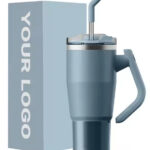
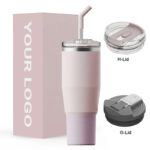
And this same principle applies to the drinkware market as well. Whether it’s an insulated tumbler, coffee cup, or stainless steel water bottle, the value of a product can be elevated through thoughtful design, premium materials, and brand presentation. That’s exactly why custom drinkware has become one of the most effective and fast-growing categories in the corporate gifting, promotional, and retail branding world—offering daily visibility, emotional connection, and long-lasting brand recall.
As a customized stainless steel drinkware gift provider, we help companies, gift distributors, and brands create premium, logo-ready drinkware that reflects who they are—from color and finish to packaging and personalization. If a cooler can elevate a brand’s image in the outdoor world, a well-designed stainless steel tumbler can do the same in everyday life—on office desks, in travel bags, at events, and in the hands of clients and partners.

Now, let’s shift from coolers to custom drinkware and explore how to choose the right insulated cups for corporate gifting and branding—and what separates a memorable gift from an ordinary one.